
Best Waterproof Jewelry That Won't Tarnish — What's Actually Worth Buying
Share
Every summer, the same question comes up. Can I wear this in the pool? What about the shower? Will it survive a beach weekend?
The honest answer is more useful than the marketing answer — and the marketing answer, which is usually some variation of "waterproof!" in bold letters, is almost always incomplete.
This guide explains what "waterproof jewelry" actually means, which metals genuinely resist water damage, how to get the most out of gold-plated pieces near water, and which options are worth buying if water exposure is part of your daily life.
The truth about "waterproof" jewelry
What exists instead is a spectrum of water resistance, determined almost entirely by the metal and any surface treatment or plating involved.
Solid gold (14K or higher) is the most water-resistant option in fine jewelry. Gold itself doesn't oxidize or corrode in water. The alloy metals mixed in (silver, copper, zinc) can react slightly over very long periods, but for practical everyday purposes — showers, swimming, the ocean — solid gold holds up indefinitely.
Sterling silver tarnishes in water, especially chlorinated or salt water. It's not a great choice if water exposure is frequent.
Gold-filled jewelry has a thick mechanically bonded layer of gold over brass — thicker than plating — and performs significantly better in water than standard gold-plated pieces. It won't hold up to daily pool swimming forever, but it handles occasional water exposure well.
Gold-plated jewelry sits at the more water-sensitive end of the spectrum. The plating is a thin layer of gold over a base metal. Water itself doesn't dissolve gold — the problem is what water does to the base metal underneath when the plating is imperfect, and what chlorine, salt, and the minerals in tap water do to the plating layer over time.
Stainless steel and titanium are genuinely water-resistant at a metals level. They don't plate, don't tarnish, and don't react to chlorine or salt. The tradeoff is that they don't have the warmth or visual richness of gold.
What actually damages jewelry in water
Understanding the mechanism helps you make smarter decisions about when to take jewelry off and when it's probably fine to leave it on.
Chlorine is the most damaging common water chemical for jewelry. Pool water and hot tub water contain enough chlorine to degrade plating, weaken clasps over time, and — in the case of solid gold — actually damage the alloy structure with sustained exposure. This is the one situation where even solid gold jewelry should come off.
Salt water is abrasive to plating and dries out the metal, accelerating wear. Ocean swimming is harder on jewelry than fresh water swimming.
Hot water opens the pores of the plating layer slightly and accelerates the rate at which the base metal below reacts. Showers are less damaging than pools, but repeated hot shower exposure does shorten the life of plated jewelry noticeably.
Tap water minerals — the calcium, magnesium, and other minerals in hard water — leave deposits on jewelry that can dull the finish over time. This is more of an aesthetic issue than a structural one, but it compounds with other exposures.
Soap, shampoo, and conditioner leave residue that builds up in settings and on surfaces, dulling the appearance and, over time, working into any micro-gaps in the plating.
The practical takeaway: fresh water from a tap for a brief rinse isn't going to destroy your jewelry. A two-week beach holiday where you're in the ocean and pool daily, sleeping in your jewelry, and applying sunscreen without removing it first — that will significantly shorten the life of plated pieces.
How to make gold-plated jewelry last longer near water
If you're committed to gold-plated jewelry — and there are very good reasons to be, starting with the price point and the quality available at that price point — here's how to extend its life around water.
Remove before swimming, always. Pools and hot tubs are the non-negotiable. The chlorine concentration is high enough to visibly affect plating within a single season of regular exposure.
Remove before showering when possible. If you forget occasionally, it won't ruin the piece immediately. But daily shower exposure will shorten the life of the plating.
Put jewelry on last. Perfume, hairspray, lotion, and sunscreen all contain chemicals that interact with plating. Apply everything first, let it absorb or dry, then put the jewelry on.
Dry thoroughly before storing. Water trapped in settings or against the skin side of a piece accelerates wear. Pat dry before putting pieces away.
Store in a dry place. Bathroom storage — where humidity is consistently high — is the worst environment for plated jewelry. A jewelry box in a bedroom is better.
Clean gently. A soft cloth and mild soap in cool water, then thorough drying, is the right cleaning method. No ultrasonic cleaners, no silver polish, no abrasive cloths.
Following these practices, high-quality 18K gold-plated jewelry over brass — the standard P.phoebus uses — should maintain its appearance for one to two years of regular daily wear, and often longer.
The best options by water exposure level
If you want to wear jewelry in the pool or ocean regularly: Solid 14K or 18K gold is the only truly suitable option. It's also significantly more expensive. If budget is a constraint, the practical answer is to have a dedicated "water jewelry" piece in solid gold or stainless steel, and keep your gold-plated pieces for dry wear.
If you want jewelry that handles daily showers and occasional water exposure: High-quality gold-filled jewelry is a strong option. It performs considerably better than standard gold-plating in water, and at a lower price point than solid gold. Gold-filled pieces from reputable brands typically carry a 1/20 14K GF or similar stamp.
If you want the best value and can manage water exposure with reasonable care: 18K gold-plated over premium brass — the P.phoebus standard — is the answer. The pieces aren't designed for pool swimming, but they handle real daily life — including the occasional forgotten shower, gym session, or rainy commute — with the right care routine in place.
Best water-resistant jewelry pieces worth buying
For everyday wear that's as water-friendly as gold-plated jewelry gets, the priority is quality of the plating and base metal — not marketing claims.
What to look for:
- 18K gold plating specified (not just "gold-plated")
- Brass base metal (not zinc alloy)
- Nickel-free construction
- Simple settings without porous materials that trap water (avoid porous stones like turquoise or pearls for water-adjacent wear)
- Lobster clasp or other quality closure that won't corrode
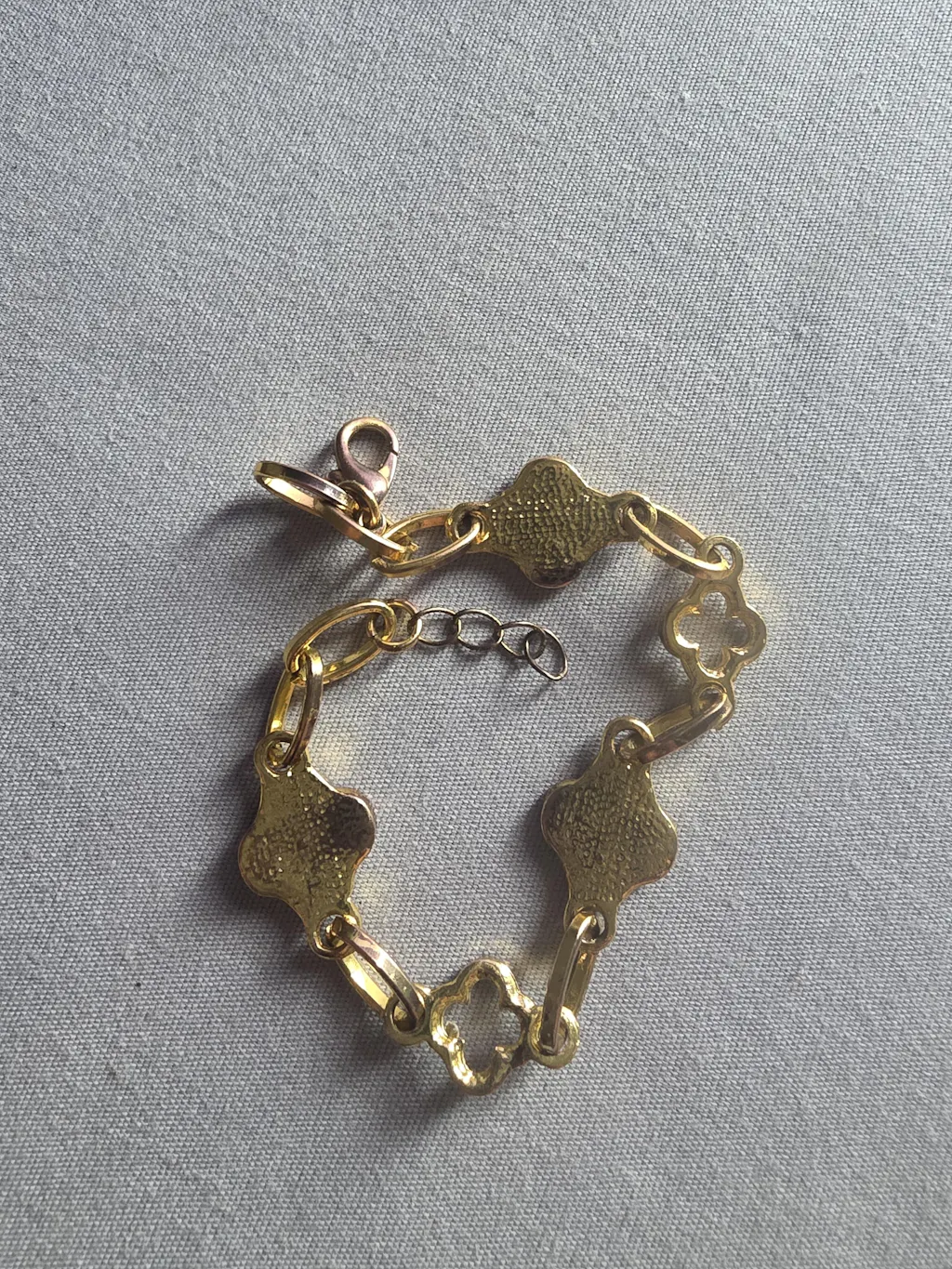
The P.phoebus Lucky Floral collection — including the Black Lucky Floral Charm Bracelet, the CZ Black Floral Bangle, and the floral station necklaces — uses all of the above. They're not pool jewelry. They are the kind of everyday jewelry that handles real life with care, and looks good doing it.
https://pphoebusjewellry.com/collections/best-seller
https://pphoebusjewellry.com/products/black-lucky-floral-charm-bracelet-gold-plated-p-phoebus
For pieces you genuinely want to wear in water without thinking about it, solid gold or stainless steel is the honest recommendation. But for the woman who wants beautiful, intentional jewelry that works from morning to midnight and costs a fraction of fine jewelry prices, high-quality gold-plated pieces — managed with a few simple habits — are entirely worth it.
Frequently asked questions
Can I wear gold-plated jewelry in the shower?
Occasionally, yes — one forgotten shower won't ruin a quality piece. But regular daily shower exposure will shorten the life of the plating noticeably over time. The combination of hot water, soap residue, and the minerals in tap water gradually degrades the plating layer. If you wear jewelry in the shower frequently, expect the plating to show wear sooner than the one-to-two year timeframe you'd get with drier daily use.
What jewelry is truly waterproof?
Solid gold (14K or 18K) is the most water-resistant precious metal option for everyday jewelry. Stainless steel and titanium are genuinely water-resistant and won't tarnish or corrode, but don't have the warmth of gold. Platinum is also highly water-resistant but at a significant price premium. For practical purposes, if you want jewelry you can wear in the pool and ocean without thinking about it, solid gold or stainless steel are your best options.
Why does jewelry turn my skin green?
Green skin is caused by copper in the base metal of a piece reacting with the acids in your skin. It's most common with copper or brass-based jewelry where the plating has worn through, or with very low-quality pieces that have minimal plating from the start. It's not harmful, but it is a sign that the base metal is in contact with your skin. Nickel-free, high-quality plated pieces over brass don't typically cause green skin when the plating is intact — the reaction happens when the base metal is exposed. Keeping jewelry dry and following care guidelines helps maintain the plating layer that prevents this.
How do I know if jewelry is water-resistant before I buy?
Look for brands that are specific about their materials: the karat of the plating, the base metal, and whether the piece is nickel-free. Vague descriptions like "gold-tone" or "gold-colored" without specifying the plating karat are red flags. Brands that specify 18K gold plating over brass are telling you something meaningful about their quality standard. Beyond materials, look for recent customer reviews that mention durability over time — customers who've worn a piece for six months or a year and comment on how it's held up are giving you exactly the data you need.
Is gold-filled jewelry worth the extra cost over gold-plated?
For water-heavy lifestyles, yes. Gold-filled jewelry has a mechanically bonded layer of gold that's significantly thicker than electroplated gold — typically 100 times thicker — which makes it considerably more water-resistant. If you swim regularly, live in a humid climate, or simply don't want to think about removing jewelry before water exposure, gold-filled is worth the price difference. For everyday life with reasonable care, high-quality 18K gold-plated jewelry performs well enough that the extra cost of gold-filled may not be justified.
P. Phoebus Jewelry — Designed in New York. Crafted in Korea. Est. 2012. Free shipping on all US orders · 30-day returns · Nickel-free · Hypoallergenic